
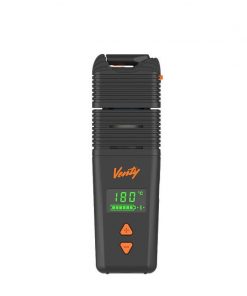
Storz & Bickel Venty
Heating: Hybrid
$309.94 USDPrice checked September 26, 2026
20-second heat-up, adjustable airflow, app control and a 3-year warranty on registration.
Portable Vaporizer
Dry Herb Vaporizer
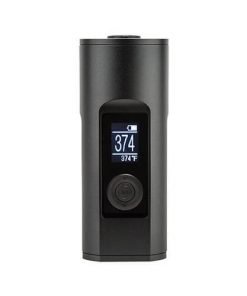
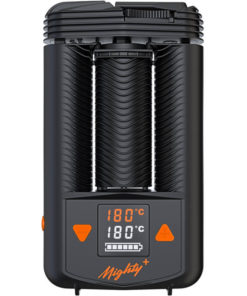
Portable Vaporizer
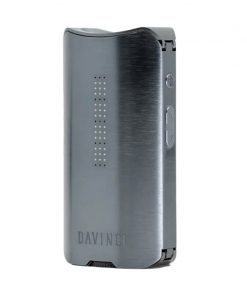
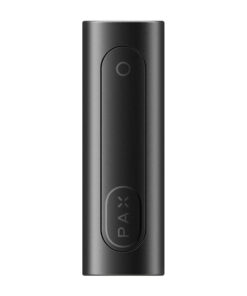
Portable Vaporizer
Portable Vaporizer
Dry Herb Vaporizer

Desktop Vaporizer
Dry Herb Vaporizer
Dry Herb Vaporizer
Dry Herb Vaporizer
Portable Vaporizer
Dry Herb Vaporizer
Dry Herb Vaporizer
Portable Vaporizer
Dry Herb Vaporizer
Dry Herb Vaporizer
Choosing a dry herb vaporizer in 2026 is harder than it looks. The market now spans budget pocket units and premium desktop machines, and nearly every product page promises "pure flavor" and "massive clouds." In practice, however, every vaporizer makes trade-offs. A device built for dense vapor usually gives up some delicate flavor. Likewise, a device small enough to vanish in a jeans pocket almost always carries a smaller battery and a shorter cooling path.
City Vaporizer has been selling vaporizers since 2012. Our founder, Jacob, has run the shop since day one, and our in-house vaporizer specialist, Nelson, has spent more than 20 years testing, repairing and recommending vaporizers to customers. Much of the practical advice below reflects what they tell people who call or email us before buying, and what they actually use themselves.
This guide solves that problem in three ways. First, it narrows the field to 20 dry herb vaporizers that City Vaporizer currently stocks, so every recommendation is something you can actually buy today. Second, it compares those devices on the same criteria, including heating method, temperature range, heat-up time, battery, oven capacity, vapor-path materials and warranty, using the specifications published on each product page. Third, it adds the context you need to make a confident decision: how conduction, convection and hybrid heating really differ, what the published research says about vaporizing versus smoking, and how to keep any device performing like new.
If you only have a minute, start with the quick picks below. If you are new to vaporizers, jump to the buying guide, because the right device depends far more on how you plan to use it than on which model tops any list.
All prices on this page are live USD prices. Prices last checked September 26, 2026.
This guide serves three groups of readers. First, it helps first-time buyers understand the basics, avoid common mistakes and choose a device that matches their budget and habits. Second, it helps upgraders who already own a vaporizer compare the latest hybrids, warranties and battery designs against what they have now. Third, it helps specific-need shoppers, such as microdosers, travelers, water-pipe users and medical cannabis patients, find devices whose features match their situation. Wherever you fall, the quick picks, comparison tables and "consider instead" notes let you move directly to the options that fit.
The table below summarizes our top recommendation in each category. Prices are live USD prices and update automatically.
Heating: Hybrid
$309.94 USDPrice checked September 26, 2026
20-second heat-up, adjustable airflow, app control and a 3-year warranty on registration.
Heating: Hybrid ceramic
$239.99 USDPrice checked September 26, 2026
All-glass vapor path, session and on-demand modes, lifetime heating-element warranty.
Heating: Hybrid
$209.95 USDPrice checked September 26, 2026
Zirconia and glass vapor path, replaceable 21700 battery, 10-year warranty.
Heating: Hybrid
$271.49 USDPrice checked September 26, 2026
Pass-through charging, Superbooster, proven reliability.
Heating: Hybrid
$195.95 USDPrice checked September 26, 2026
134 g body with adjustable airflow and low draw resistance.
Heating: Hybrid
$204.95 USDPrice checked September 26, 2026
Pocketable shape, wider air path, 100% charge in under 40 minutes.
Heating: Hybrid
$189.56 USDPrice checked September 26, 2026
Three simple presets, Super Boost to 210°C, app extras.
Heating: Convection-dominant hybrid
$255.99 USDPrice checked September 26, 2026
10 to 23-second heat-up, user-replaceable battery, 14 mm water-pipe fit.
Heating: Hybrid
$194.95 USDPrice checked September 26, 2026
Single button, four presets, about five sessions per charge.
Heating: Hybrid
$134.99 USDPrice checked September 26, 2026
Rated 3 hours of use, 1-degree control, works while plugged in.
Heating: Hybrid
$131.99 USDPrice checked September 26, 2026
Glass stems, auto screen inversion, 26650 battery.
Heating: Conduction
$179.99 USDPrice checked September 26, 2026
Removable 18650 battery, zirconia and glass path, herbs and concentrates.
Heating: Conduction
$149.95 USDPrice checked September 26, 2026
Half-pack lid, four experience modes, 10-year warranty as listed.
Heating: Conduction
$109.95 USDPrice checked September 26, 2026
89 g, 22-second heat-up, half-pack lid.
Heating: Conduction
$84.50 USDPrice checked September 26, 2026
Adjustable oven from 0.15 g, removable battery, 5-year warranty.
Heating: Convection, as listed
$79.95 USDPrice checked September 26, 2026
15-second heat-up, 1-degree control, wax cup included.
Heating: Conduction
$64.99 USDPrice checked September 26, 2026
Airflow slider, magnetic zirconia mouthpiece, replaceable 18650.
Heating: Conduction (ceramic)
$56.99 USDPrice checked September 26, 2026
0.5 g chamber, five heat settings, onboard stir tool.
Heating: Hybrid
$469.95 USDPrice checked September 26, 2026
Balloon and tube inhalation, 40 to 230°C, app control.
Heating: Convection
$188.99 USDPrice checked September 26, 2026
50 to 260°C range, 3-speed fan, lifetime ceramic heater warranty.
Rankings are useful, but it also helps to know what the people who sell and service these devices every day keep for themselves. Their choices follow the same trade-offs this guide is built around: flavor versus power, and home use versus carry.
At home, Jacob reaches for the Arizer Solo 3 because he loves it for flavor. That fits the device's design: the all-glass vapor path adds little or no taste of its own, and session mode suits a relaxed evening where flavor matters more than speed.
When he is out, he switches to the Storz & Bickel Venty. The Venty's roughly 20-second heat-up, adjustable airflow and dual-battery power make it a better fit for sessions away from home, where you want the device ready quickly and consistent from the first draw to the last. It rides in a bag rather than a pocket, which is the usual trade-off for that level of performance.
The takeaway: if you can own two devices, splitting them by job, a flavor device for home and a fast, powerful one for the road, often beats trying to find one that does everything.
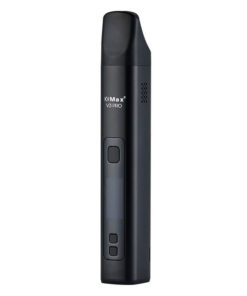
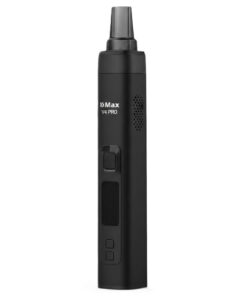
Nelson will be the first to admit he tends to lose his vapes. So for everyday carry, he sticks with the cheap and cheerful XMax V3 Pro. It heats in about 15 seconds, offers 1-degree temperature control and runs on a replaceable 18650 battery, and if it goes missing, replacing it will not ruin his week.
At home, he uses the Arizer XQ2 desktop. Convection heating, a quiet 3-speed fan and the choice of balloon or whip make it a comfortable, consistent home setup, and its lifetime ceramic heater warranty suits a device that runs for long sessions.
The takeaway: your carry device does not need to be your best device. If it might get lost, dropped or left behind, a budget portable plus a quality home unit is a smart, low-risk combination.
Specifications below come directly from each City Vaporizer product page. Where a page did not state a value, the cell reads "not listed" rather than an estimate. Consequently, you can compare like for like without guessing.
| Vaporizer | Heating | Temperature range | Heat-up | Battery | Oven capacity | Warranty |
|---|---|---|---|---|---|---|
| Venty | Hybrid conduction/convection | 40–210°C (104–410°F) | 20 s | Two 18650 Li-ion cells | 0.25 g | 3 years on registration |
| Arizer Solo 3 V2 | Hybrid ceramic | 50–220°C (122–428°F) | 5–15 s | Not listed | Not listed | 2 yr device, 1 yr battery, lifetime heating element |
| DaVinci IQ3 | Hybrid | Up to 221°C (430°F) | ~30 s | Replaceable 21700, up to 90 min | 0.7 g | 10 years |
| Mighty+ | Convection and conduction | Not listed | ~60 s | 80% charge in ~40 min | Not listed | 2 years + 1 on registration |
| Veazy | Hybrid | 40–210°C (104–410°F) | ~45 s | Li-ion | 0.15–0.2 g | 2 years, extendable to 3 |
| PAX Flow | Hybrid | Not listed | 30–45 s | 50% in 20 min, full in <40 min | Not listed | 2–4 years |
| Crafty+ | Hybrid | Presets 180/195/210°C | 60 s | Built-in | Not listed | 2 years + 1 on registration |
| Arizer Go SRT | 75/25 convection-dominant hybrid | 50–220°C (122–428°F) | 10–23 s | User-replaceable, up to 60 min | Not listed | Full warranty, no registration |
| PAX 4 | Hybrid | 4 presets | Not listed | Up to 50 min / ~5 sessions | Not listed | PAX limited warranty |
| Arizer Solo 2 MAX | Conduction/convection | 50–220°C (122–428°F) | < 1 min | ~3 hours | Not listed | 2 years |
| Arizer Air MAX | Hybrid | 50–220°C | 60 s | 26650 Li-ion, ~2¼ hours | Not listed | 2 years |
| DaVinci IQC | Conduction | Not listed | 30 s | Removable 18650 | 0.5 g | 5 years |
| PAX Plus | Conduction | Up to 220°C | 22 s | 3,000 mAh (as listed) | 0.25 g / 0.5 g | 10 years (as listed) |
| New PAX Mini | Conduction | 180–215°C (356–419°F) | 22 s | ~60 min / 5–7 sessions | 0.25–0.5 g | 2 years + 1 on registration |
| DaVinci MIQRO-C | Conduction | 356–430°F, 4 Smart Paths | 39 s | Removable 18350, 900 mAh, ~30 min | 0.15–0.3 g | 5 years |
| XMax V3 Pro | Convection (as listed) | 100–220°C (212–428°F) | ~15 s | Replaceable 18650, 2,600 mAh | ~0.15 g | Full warranty |
| XMax Starry 4 | Conduction | 100–240°C (212–464°F) | 15 s | Removable 18650 | Not listed | Full warranty |
| Pulsar APX V3 | Ceramic conduction | 190–230°C (374–446°F) | 30 s | 1,600 mAh | 0.5 g | 1 year |
| Volcano Hybrid (desktop) | Hybrid | 40–230°C (104–446°F) | < 40 s to start | Mains powered | Not listed | 3 years |
| Arizer XQ2 (desktop) | Convection | 50–260°C (122–500°F) | ~5 min | Mains powered | Not listed | 3 years + lifetime ceramic heater |
Transparency matters in a category where many "best of" pages are written by brands that also manufacture the devices they rank. City Vaporizer is a retailer, not a manufacturer, and none of the devices on this list are house brands. That said, we do sell every product listed, so you should know exactly how we selected and ranked them.
Step 1: Start with what is actually in stock. City Vaporizer's dry herb category lists more than 100 products. We excluded discontinued models (for example, the Firefly 2+), items that were out of stock when we built this guide (such as the Boundless Tera V3 and DynaVap M), and concentrate-first devices that happen to accept herbs.
Step 2: Compare published specifications on equal terms. For each remaining device, we recorded the heating method, temperature range, heat-up time, battery type, oven capacity, vapor-path materials, charging method and warranty exactly as stated on the product page. When a page omitted a value, we left it blank rather than filling it in from memory.
Step 3: Weigh the specs against real-world use cases. Specifications alone do not tell you whether a device suits a commuter, a flavor-focused home user or a first-time buyer. Therefore, we grouped devices by the job they do best, following the same trade-off logic that experienced reviewers use: flavor versus density, portability versus battery, and simplicity versus control.
Step 4: Factor in price and warranty last. A mid-priced device with a 10-year warranty can cost less over its life than a cheaper device with a 1-year warranty that fails in year two. Consequently, we treated warranty length as part of value, not as an afterthought.
We did not lab-test these devices for this article, and we do not claim thermal-camera readings or pump-based vapor measurements. Instead, we focus on verifiable data, clear trade-offs and practical advice. Where a claim comes from a manufacturer (for example, "50% more vapor than PAX 3"), we label it as such.
To keep comparisons consistent, we assessed every device against the same eight criteria. The table below explains what we looked at for each one and where the information came from.
| Criterion | What we looked at | Primary source |
|---|---|---|
| Heating and vapor quality | Heating method (conduction, convection, hybrid), heat-up time, airflow adjustability, cooling features | Product page specifications |
| Materials and build | Vapor-path materials (glass, zirconia, ceramic, stainless steel), isolated airpaths, housing materials | Product page specifications |
| Temperature control | Range, precision (presets vs. 1-degree steps), boost modes, app control | Product page specifications |
| Battery and charging | Battery type and replaceability, listed runtime, charging method, pass-through charging | Product page specifications |
| Portability | Listed size and weight where available, overall form factor | Product page specifications |
| Ease of use and maintenance | Controls, loading method, cleaning design, included tools | Product page specifications |
| Warranty | Warranty length and registration extensions | Product pages |
| Value | Current price relative to features and warranty | Live City Vaporizer USD prices |
We did not assign single numerical scores, because a composite number hides the trade-offs that actually determine whether a device suits you. Instead, each review states who the device is for, who should skip it and which alternative to consider.
Each review below follows the same structure so you can compare quickly: key specifications, who the device suits, what it does well, where it compromises, and practical tips for getting the most out of it.
$309.94 USDPrice checked September 26, 2026
Who it is for: Experienced users who want the most capable portable they can buy, and newer users who would rather pay once than upgrade twice.
Team pick: This is the vaporizer our founder, Jacob, takes with him on the go.
The Venty earns the top spot because it combines three things that rarely coexist in a handheld device: fast heat-up, adjustable airflow and a large enough power budget to keep vapor production consistent through a full session. Storz & Bickel lists a heat-up time of about 20 seconds, which is quick for a hybrid heater. Because the device runs on two 18650 cells, it has more headroom than single-cell designs, and the product page lists a maximum power use of 130 W. In practical terms, that power reserve helps the heater recover quickly between draws, so the tenth draw feels closer to the first.
What it does well. First, the custom airflow dial lets you shape each draw. Opening the airflow gives an airy, lung-friendly draw; closing it slightly produces denser vapor at the same temperature. Second, the dedicated cooling unit takes the edge off hot vapor, which is especially useful at the top of the 210°C range. Third, Bluetooth connectivity through the Storz & Bickel web app gives you precise temperature control and settings without cluttering the device itself. Finally, the 3-year warranty on registration offers long-term peace of mind at this price.
Where it compromises. The Venty is not a pocket device for most people. Its wide body favors a bag, a jacket pocket or a car console. In addition, the 0.25 g chamber, while generous for one person, fills quickly if you plan to share. If you prioritize discretion above all else, consider the Veazy or PAX Flow instead.
Tips for best results.
Suggested starting settings
| Goal | Temperature | Airflow |
|---|---|---|
| Maximum flavor | 180–185°C | Fully open |
| Balanced session | 190–195°C | Mostly open |
| Dense vapor | 200–210°C | Slightly restricted |
Consider instead if: you want the same brand in a smaller shell (Veazy), you vape mainly at home with friends and want pass-through charging (Mighty+), or you want the most flavor-forward glass path (Arizer Solo 3 V2).
Who should skip it: Anyone who needs true pocket carry or wants a budget-friendly device.
Verdict: If you want a single dry herb vaporizer that handles flavor sessions, dense clouds and group use with equal competence, the Venty is the benchmark in 2026.
$239.99 USDPrice checked September 26, 2026
Who it is for: Flavor-focused users who vape mostly at home or in one place and want long, controllable sessions.
Team pick: Jacob, our founder, loves the Solo 3 for flavor and uses it at home.
Arizer built its reputation on glass vapor paths, and the Solo 3 continues that approach. Because the vapor travels through borosilicate glass aroma tubes rather than plastic or metal, the path itself adds little or no taste. As a result, terpene-forward strains taste closer to how they smell in the jar. The V2 bundle at City Vaporizer adds an XL glass aroma tube, a complete glass accessory kit, and a USB-C PD fast charger.
What it does well. The Solo 3 offers both session and on-demand modes. Session mode holds your chosen temperature for a set time, which suits relaxed evenings. On-demand mode, by contrast, heats only while you hold the button, which conserves material and battery for shorter sessions. The listed 5 to 15-second heat-up is among the fastest on this list, and the 1-degree precision across a 50–220°C range gives flavor chasers plenty of room to experiment. Furthermore, Arizer's lifetime warranty on the heating element is unusual and valuable.
Where it compromises. Glass stems are fragile and need regular cleaning to stay clear. The device is also larger than pocket-first designs, so most owners treat it as a "home portable." Finally, the menu system offers many settings, which rewards tinkerers but can feel busy to beginners.
Tips for best results.
Suggested starting settings
| Goal | Temperature | Mode |
|---|---|---|
| Terpene-forward taste | 180–190°C | On-demand or short session |
| Everyday balance | 195–200°C | Session |
| Finishing a bowl | 205–215°C | Session |
Consider instead if: you need something pocketable (PAX Flow or Veazy), you want a glass path with a replaceable battery for travel (Arizer Go SRT), or you want Arizer flavor for less (Arizer Solo 2 MAX).
Who should skip it: Users who need a pocket device or dislike handling glass.
Verdict: For flavor above all, the Solo 3 V2 is the easiest recommendation in the Arizer lineup, and the bundle adds real value.
$209.95 USDPrice checked September 26, 2026
Who it is for: Data-minded users who like to dial in exact settings, track dosage and keep one device for many years.
The IQ3 stands out on paper for three reasons. First, its 10-year warranty is the longest on this list alongside the PAX Plus. Second, it uses a replaceable 21700 battery, which City Vaporizer lists at up to 90 minutes of operation. Because you can swap the cell, the device's useful life is not limited by battery wear. Third, the 0.7 g oven is the largest listed capacity among the portables here, which makes it suitable for longer sessions or sharing.
What it does well. DaVinci pairs a zirconia and glass vapor path with a "Cool Core" spiral channel flavor chamber, both designed to keep vapor clean and cool. Dosage control is available on the device and in the app, which helps users who want consistent, repeatable sessions. In addition, the product page notes that the IQ3 is heavy-metals tested, a detail worth highlighting in a category where material transparency varies widely.
Where it compromises. The large oven is a double-edged sword: it is great for sharing but less efficient for small solo sessions unless you use a spacer or a lighter load. Additionally, DaVinci confirms that IQ and IQ2 parts and accessories are not compatible with the IQ3, so previous owners cannot reuse their old accessories.
Tips for best results.
Suggested starting settings
| Goal | Temperature | Load |
|---|---|---|
| Light flavor session | 185–190°C | Half load |
| Standard session | 195–200°C | Two-thirds load |
| Shared session | 205–215°C | Full 0.7 g |
Consider instead if: you want DaVinci quality in a smaller conduction body (DaVinci IQC), you want a budget microdosing device (DaVinci MIQRO-C), or you want the strongest airflow (Venty).
Who should skip it: Users who only take a few small draws at a time and want the smallest possible device.
Verdict: If you value control, capacity and a decade of warranty coverage, the IQ3 offers the most long-term security per dollar of any portable here.
$271.49 USDPrice checked September 26, 2026
Who it is for: Users who want a proven, simple, rugged workhorse, especially for longer sessions at home or with friends.
The Mighty+ is the device that built Storz & Bickel's portable reputation before the Venty arrived, and it remains a dependable choice. Its design philosophy is straightforward: a large body, a hybrid heater, a simple two-button interface and a focus on consistency rather than novelty.
What it does well. Pass-through charging is the Mighty+'s quiet superpower. Because you can use it while it charges, it effectively becomes a desktop unit when plugged in, which suits long evenings or group sessions. The Superbooster preset gives you a quick way to push the temperature up at the end of a bowl so you extract what remains. Meanwhile, the ceramic-coated filling chamber supports flavor and makes cleaning easier. Finally, fast USB-C charging reaches about 80% in roughly 40 minutes, according to the product page.
Where it compromises. The listed 60-second heat-up is slower than newer hybrids such as the Venty. The Mighty+ is also a large device that most people carry in a bag rather than a pocket. And because it favors reliability over features, you will not find the fine airflow control of the Venty.
Tips for best results.
Suggested starting settings
| Goal | Temperature | Tip |
|---|---|---|
| Flavor | 180–190°C | Short, slow draws |
| Balanced | 195–200°C | Use dosing capsules for consistency |
| Finish | Superbooster | Only for the last few draws |
Consider instead if: you want faster heat-up and adjustable airflow (Venty), you need a pocket device (Veazy), or you want a desktop-level experience at home (Volcano Hybrid).
Who should skip it: Commuters and anyone who prioritizes fast heat-up or discretion.
Verdict: The Mighty+ is no longer the newest Storz & Bickel device, but it remains one of the most reliable. It is a strong choice for home users who value durability over portability.
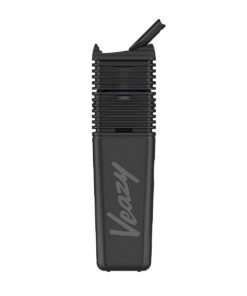
$195.95 USDPrice checked September 26, 2026
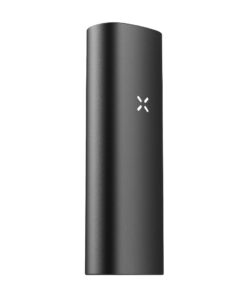
Who it is for: People who like the Storz & Bickel draw but need something they can genuinely carry every day.
The Veazy takes the brand's airflow-focused approach and packs it into a 134 g body. Consequently, it is the most carry-friendly Storz & Bickel device on this list, yet it keeps the low draw resistance and hybrid heating that define the brand.
What it does well. One-button control and preset temperatures make daily use simple. When you want more, the Booster and Superbooster modes add heat on demand, and the S&B web app offers finer customization over Bluetooth. The adjustable airflow lets you choose between an airy draw and a denser one. In addition, the vibration alarm tells you when the device is ready, and auto switch-off conserves battery if you forget it in a pocket. Finally, the ceramic-coated chamber helps with flavor and cleaning.
Where it compromises. The 0.15–0.2 g chamber suits solo sessions but not sharing. Heat-up is listed at about 45 seconds, which is slower than the Venty. Battery capacity is not listed on the product page, so heavy users should plan to top up during the day.
Tips for best results.
Suggested starting settings
| Goal | Setting | Airflow |
|---|---|---|
| Flavor | Lowest preset | Open |
| Daily default | Middle preset | Open |
| Density | Highest preset plus Booster | Slightly restricted |
Consider instead if: you want more power and capacity (Venty), you want a discreet single-button device from a lifestyle brand (PAX Flow), or you want three simple presets with app extras at a lower price (Crafty+).
Who should skip it: Users who regularly share bowls or want the largest chamber.
Verdict: The Veazy is the best choice for anyone who wants a true daily-carry portable with a big-brand draw and support network.
$204.95 USDPrice checked September 26, 2026
Who it is for: Commuters, travelers and anyone who wants a vaporizer that looks like a sleek gadget rather than a piece of lab equipment.
PAX spent years refining conduction devices before introducing hybrid heating with the Flow. The result keeps the brand's minimalist, single-button feel while adding a wider air path that, according to the product page, "won't clog." Consequently, the Flow draws more freely than older PAX conduction models while still fitting comfortably in a pocket.
What it does well. Smart heating modes adjust the experience without menus, which makes the Flow easy to hand to a friend. The wider air path and easy-to-clean design reduce the maintenance burden that often discourages newer users. Moreover, fast USB-C charging means a short break at a café outlet restores half the battery in about 20 minutes. Finally, the PAX ecosystem and app support are mature, and replacement parts are widely available.
Where it compromises. Compact bodies have less room to shed heat, so the Flow can feel warm during back-to-back sessions. The product page does not list a temperature range or battery capacity, so buyers who want precise numbers may prefer the DaVinci IQ3 or Arizer devices. Finally, like most pocket hybrids, its capacity suits one person more than a group.
Suggested approach: Start in the lowest heat mode for the first few draws, then step up one mode at a time. Because compact devices run warm, pause briefly between sessions rather than chaining them.
Consider instead if: you want more precise control (DaVinci IQ3), a lower price with the same brand simplicity (PAX 4 or New PAX Mini), or stronger airflow in a small body (Veazy).
Suggested starting settings
| Goal | Heat mode |
|---|---|
| Flavor | Lowest mode |
| Balanced | Middle modes |
| Dense | Highest mode, final draws |
Who should skip it: Users who want precise, degree-by-degree control or a device for sharing large bowls.
Ownership notes: Because the air path is wider than older PAX designs, maintenance is simpler; nevertheless, wipe the oven lid and mouthpiece every few sessions to keep the draw clear. Carry a USB-C cable, since the fast-charge profile makes short top-ups genuinely useful.
Verdict: The PAX Flow is the most discreet hybrid on this list and a smart upgrade for anyone coming from older PAX conduction devices.
$189.56 USDPrice checked September 26, 2026
Who it is for: Buyers who want Storz & Bickel build quality and support at the lowest price in the brand's portable lineup.
The Crafty+ keeps things deliberately simple. Out of the box, you choose among three presets that cover the useful range for most users: 180°C for flavor, 195°C for balance and 210°C for density. Meanwhile, the Bluetooth app (Android and web compatible, per the product page) unlocks more precise control for users who want it.
What it does well. The product page lists a 30% faster heat-up than the previous generation, improved housing materials, more bowls per charge and a ceramic coating on the heating chamber. In addition, Super Boost mode takes the device to its 210°C maximum when you want to finish a bowl. The compact, slick design improves grip, and the vapor path upgrades target reliability over years of use.
Where it compromises. A 60-second heat-up is slower than several competitors, and the three-preset system may feel limiting if you do not use the app. The device also relies on a built-in battery, so you cannot swap cells on the go.
Suggested approach: Use 180°C for the first third of a bowl, 195°C for the middle and Super Boost at the end. This three-step progression extracts evenly and keeps the flavor bright early on.
Consider instead if: you want adjustable airflow (Veazy or Venty), a replaceable battery (DaVinci IQ3 or Arizer Go SRT), or pass-through charging for home use (Mighty+).
Suggested starting settings
| Goal | Preset |
|---|---|
| Flavor | 180°C |
| Balanced | 195°C |
| Dense / finish | 210°C (Super Boost) |
Who should skip it: Anyone who needs a replaceable battery or wants on-device fine control without an app.
Ownership notes: Register the device promptly to gain the extra warranty year. If you use dosing capsules with other Storz & Bickel devices, check compatibility before buying extras. Clean the cooling unit regularly, because the compact vapor path collects residue quickly.
Verdict: The Crafty+ is the most affordable way into Storz & Bickel's ecosystem, and its simple presets make it an easy daily device.
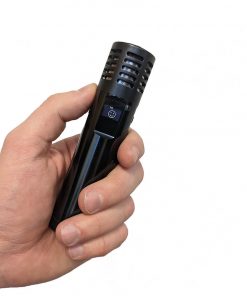
$255.99 USDPrice checked September 26, 2026
Who it is for: Travelers and water-pipe users who want Arizer's glass flavor with a battery they can replace themselves.
The Go SRT combines three features that rarely appear together: a convection-dominant oven, a user-replaceable battery and direct compatibility with 14 mm water pipes. As a result, it adapts to more situations than most portables. At home, you can connect it to a bong for cooler, filtered draws. On the road, you can carry a spare battery instead of hunting for an outlet.
What it does well. The listed 10 to 23-second heat-up is fast for a convection-leaning design. Customizable temperature and session timing let you set up the device the way you like it. Furthermore, the product page notes that the Go SRT doubles as an aroma diffuser and a quick hand warmer, which is a novel bonus for cold-weather travel.
Where it compromises. Glass stems remain fragile, and the device's elongated shape is not as pocket-friendly as the PAX Flow or Veazy. Battery life is listed at up to 60 minutes of continuous use, so heavy users should carry a spare.
Suggested approach: When using a water pipe, set the temperature 5 to 10°C higher than usual, because water cools the vapor and softens the draw.
Consider instead if: you want a larger home-oriented Arizer (Solo 3 V2), a smaller pocket device (PAX Flow), or a replaceable battery with more capacity (DaVinci IQ3).
Suggested starting settings
| Goal | Temperature |
|---|---|
| Flavor | 180–190°C |
| Balanced | 195–200°C |
| With water pipe | Add 5–10°C |
Who should skip it: Users who want the smallest possible pocket device or who dislike handling glass.
Ownership notes: Store stems in a padded case when traveling. Keep a charged spare battery and label it so you rotate cells evenly. When using a water pipe, clean the glass adapter after each session to protect flavor.
Verdict: For travelers and bong users who refuse to give up glass-path flavor, the Go SRT is the most flexible choice here.
$194.95 USDPrice checked September 26, 2026
Who it is for: People who want a no-fuss, single-button device that fits in any pocket and delivers consistent results.
The PAX 4 brings hybrid heating to PAX's classic form factor. PAX claims it produces "50% more vapor than PAX 3," thanks to high-output hybrid heating and a redesigned oven for better airflow. While that figure is a manufacturer claim, the underlying change from pure conduction to hybrid heating is significant, because it helps the device heat material more evenly.
What it does well. Operation could not be simpler: one button, four preset modes and haptic cues. Consequently, the PAX 4 is easy to use without looking at it, which suits discreet use. USB-C fast charging finally replaces the proprietary chargers found on older PAX models. Moreover, the anodized aluminum body feels durable and premium in hand.
Where it compromises. Four presets offer less control than devices with 1-degree adjustment. The product page does not list heat-up time or oven capacity. Finally, battery life of up to 50 minutes (about five sessions) means daily heavy users will charge at least once a day.
Suggested approach: Pack the oven fully and firmly, as conduction-leaning designs extract more evenly when the material makes good contact with the oven walls.
Consider instead if: you want a hybrid with a wider air path (PAX Flow), the smallest possible device (New PAX Mini), or dual-use capability (PAX Plus).
Suggested starting settings
| Goal | Preset |
|---|---|
| Flavor | Lowest preset |
| Balanced | Second or third preset |
| Dense / finish | Highest preset |
Who should skip it: Flavor purists who want glass vapor paths, and users who want to see exact temperatures.
Ownership notes: Brush the oven after every session and deep clean the mouthpiece weekly. Because PAX devices rely on packing contact, a consistent grinder makes a noticeable difference in results.
Verdict: The PAX 4 is the simplest way to get hybrid heating in a truly pocket-sized, grab-and-go device.
$134.99 USDPrice checked September 26, 2026
Who it is for: Value-focused buyers who want Arizer flavor, long battery life and precise control without paying flagship prices.
The Solo 2 MAX offers one of the best value propositions in the category. Arizer lists an "extra long 3-hour battery life," which is exceptional among portables, together with 1-degree heating control and a rapid-heating ceramic bowl.
What it does well. The rotating controls and user interface make the Solo 2 MAX easy to use in any orientation, including when connected to a water pipe. Dark mode dims the display for discreet use. Furthermore, the direct air path supports fresh air intake and a smooth taste, and pass-through operation lets you use it while it charges.
Where it compromises. The device is bulkier than pocket-first designs, and its long glass aroma tube requires careful handling. Draw resistance is also tighter than airflow-focused designs such as the Venty.
Suggested approach: Because the battery lasts so long, use full session mode at moderate temperatures (190–200°C) and let the device work through the bowl slowly.
Consider instead if: you want a smaller Arizer for beginners (Air MAX), the newest flagship flavor device (Solo 3 V2), or a travel-friendly replaceable battery (Go SRT).
Suggested starting settings
| Goal | Temperature |
|---|---|
| Flavor | 180–190°C |
| Balanced | 190–200°C |
| Finish | 205–215°C |
Who should skip it: Anyone who needs discreet pocket carry or dislikes the extra care glass requires.
Ownership notes: Rotate two or three stems so one is always clean. Use the rotating display with a water pipe for easy reading. Keep the device on a stable surface when plugged in to protect the glass.
Verdict: For long battery life and precise control at a mid-range price, the Solo 2 MAX is hard to beat.
$131.99 USDPrice checked September 26, 2026
Who it is for: First-time vaporizer owners who want great flavor, easy loading and a forgiving learning curve.
Beginners often struggle with two things: loading and maintenance. The Air MAX simplifies both. Its glass stem system (Arizer calls it "the original glass pod system") lets you scoop ground material directly into the stem, insert it and start heating. Afterwards, you simply swap stems or empty and rinse them.
What it does well. Auto screen inversion makes the display readable whichever way you hold it. Dark mode supports discreet use. The high-capacity 26650 battery offers roughly 2¼ hours per charge, according to the product page, and the isolated airpath helps keep vapor clean. In addition, custom session settings let the device grow with you as you learn what you like.
Where it compromises. The protruding glass stem makes pocket carry awkward, even though the body itself is small. A listed 60-second heat-up is average. As with any glass system, stems can break.
Suggested approach: Buy one or two extra stems. Pre-load them before you leave home, cap them, and swap them in for fresh sessions without handling loose material.
Consider instead if: you want longer battery life and a bigger body (Solo 2 MAX), maximum pocketability (New PAX Mini), or the simplest one-button operation (PAX 4).
Suggested starting settings
| Goal | Temperature |
|---|---|
| Flavor | 180–190°C |
| Balanced | 195–200°C |
| Finish | 205–215°C |
Who should skip it: Users who want the fastest heat-up or a truly pocketable device.
Ownership notes: Soak stems in isopropyl alcohol once a week and let them dry completely. Use dark mode for discreet sessions and the custom session settings once you learn your preferred temperatures.
Verdict: The Air MAX is the friendliest introduction to vaporizing, and its current price makes it a low-risk first purchase.
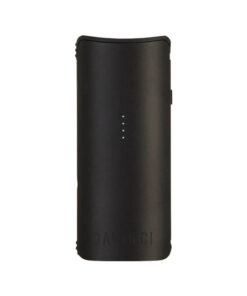
$179.99 USDPrice checked September 26, 2026
Who it is for: Users who want a sleek, premium-feeling conduction device that handles both flower and concentrates.
The IQC delivers much of the DaVinci design philosophy in a slimmer conduction body. Its zirconia and glass vapor path keeps taste clean, and its removable 18650 battery means you can carry a spare instead of waiting for a charge. Notably, the product page also lists reverse charging, so the IQC can top up a phone or other device in a pinch.
What it does well. Smart Path mode walks the temperature up automatically through a session, which suits users who do not want to adjust settings manually. Precision temperature control is available when you do. The 0.5 g capacity is generous for a slim device, and the 5-year warranty provides solid long-term protection.
Where it compromises. As a conduction device, the IQC rewards careful packing and occasional stirring. The product page does not list a temperature range, so users who want exact numbers should check with DaVinci before buying.
Suggested approach: Use Smart Path for your first week to learn how the device behaves, then switch to precision mode to fine-tune your favorite temperature.
Consider instead if: you want hybrid heating and a bigger oven (DaVinci IQ3), a smaller and cheaper microdosing device (DaVinci MIQRO-C), or the simplest pocket dual-use option (PAX Plus).
Suggested starting settings
| Goal | Setting |
|---|---|
| Hands-off | Smart Path |
| Flavor | Low precision setting |
| Finish | Higher precision setting after stirring |
Who should skip it: Users who want hybrid heating or published, precise temperature ranges before purchase.
Ownership notes: Carry a spare 18650 cell in a protective case. Clean the zirconia mouthpiece and glass path regularly, and stir the oven mid-session for even conduction extraction.
Verdict: The IQC is a stylish, dependable dual-use device with a long warranty and the convenience of a swappable battery.
$149.95 USDPrice checked September 26, 2026
Who it is for: Buyers who want a proven pocket device that also handles concentrates, backed by a long warranty.
The PAX Plus refines the classic PAX 3 formula with four experience modes: Efficiency, Stealth, Boost and Flavor. As a result, you can prioritize battery life, discretion, output or taste with a quick mode change. The Complete Kit adds a concentrate insert and a half-pack lid for smaller sessions.
What it does well. A 22-second heat-up gets you started quickly. Haptic feedback confirms status without lights or sounds. The easy-remove screen and included multi-tool simplify maintenance. Moreover, the dual-use design lets you switch between flower and concentrates without a second device.
Where it compromises. Pure conduction heating tends to produce drier, more toasted flavor than hybrid designs, especially toward the end of a session. Charging uses a magnetic USB cable rather than a standard USB-C port, so losing the cable means ordering a replacement.
Suggested approach: Use the half-pack lid for solo sessions. Smaller loads heat more evenly in conduction ovens and reduce waste.
Consider instead if: you want hybrid heating from the same brand (PAX Flow or PAX 4), the smallest PAX (New PAX Mini), or a dual-use device with a swappable battery (DaVinci IQC).
Suggested starting settings
| Goal | Mode |
|---|---|
| Longest battery | Efficiency |
| Discreet | Stealth |
| Taste | Flavor |
| Output | Boost |
Who should skip it: Users who want hybrid heating or a standard USB-C charging port.
Ownership notes: Keep the magnetic charger with the device, and consider a backup cable. Use the half-pack lid for solo sessions and the full oven for sharing. Clean the concentrate insert separately from the herb oven.
Verdict: The PAX Plus remains a smart, long-warranty choice for anyone who wants flower and concentrates in one pocket device.
$109.95 USDPrice checked September 26, 2026
Who it is for: Anyone for whom size and weight matter above everything else.
At 89 grams, the New PAX Mini is the lightest device on this list. It keeps PAX's four heat modes, adds Lipsense technology (which responds to your lips on the mouthpiece), and includes a half-pack lid for microdosing.
What it does well. A 22-second heat-up and 5 to 7 sessions per charge make the Mini practical for daily carry. Its temperature window of 180–215°C covers the useful range for most people without overwhelming them with options. Furthermore, the 3-year total warranty with registration adds confidence at a low price.
Where it compromises. Pure conduction heating and a compact body mean the Mini delivers lighter, more flavor-leaning vapor rather than dense clouds. It is also dry herb only.
Suggested approach: Stir the oven lightly with the included tool halfway through a session to expose unheated material.
Consider instead if: you want hybrid heating in a pocket (PAX 4 or PAX Flow), a removable battery at a similar size (DaVinci MIQRO-C), or better airflow (Veazy).
Suggested starting settings
| Goal | Heat mode |
|---|---|
| Flavor | Lowest (around 180°C) |
| Balanced | Middle modes |
| Finish | Highest (around 215°C) |
Who should skip it: Heavy users who want dense clouds or concentrate support.
Ownership notes: Because the oven is small, grind consistently and use the half-pack lid for microdosing. Register promptly for the extra warranty year.
Verdict: When "fits anywhere" is the top requirement, the New PAX Mini is the answer.
$84.50 USDPrice checked September 26, 2026
Who it is for: Microdosers, medical-minded users and anyone who wants DaVinci quality at a budget price.
The MIQRO-C is one of the smallest devices here, and its adjustable oven is the key feature. Because you can reduce the oven capacity to about 0.15 g, you can vaporize small, consistent amounts without wasting material. In addition, the removable 18350 battery lets you swap in a charged cell in seconds.
What it does well. A glass-lined ceramic oven and glass/zirconia vapor path support clean flavor. Four Smart Paths automate temperature progression. The dual mouthpiece system and stealth mode add flexibility. Finally, the 5-year warranty is exceptional for a budget device.
Where it compromises. The small 900 mAh cell provides about 30 minutes of use, so carrying a spare 18350 is wise. The concentrate adapter is sold separately.
Suggested approach: Buy a second 18350 cell and keep it charged. With two cells, the MIQRO-C covers a full day comfortably.
Consider instead if: you want a bigger DaVinci (IQC or IQ3), the lightest PAX (New PAX Mini), or a budget device with a larger chamber (Pulsar APX V3).
Suggested starting settings
| Goal | Setting |
|---|---|
| Microdose | Smallest oven setting, lowest Smart Path |
| Standard | Mid oven setting, middle Smart Paths |
| Finish | Highest Smart Path |
Who should skip it: Users who want long sessions without swapping batteries or dense, large-bowl vapor.
Ownership notes: Keep at least one spare 18350 cell. Adjust the oven to the smallest setting that fits your dose, which improves consistency. Clean the glass-lined oven gently to avoid scratching it.
Verdict: For precise, small sessions on a budget, the MIQRO-C offers premium materials and a long warranty at an entry-level price.
$79.95 USDPrice checked September 26, 2026
Who it is for: Budget buyers who want fast, on-demand hits and fine temperature control.
Team pick: This is Nelson's everyday carry. He admits he tends to lose his vapes, so he carries something affordable and capable rather than risk an expensive device.
The V3 Pro has earned a strong reputation as an affordable on-demand device, and it is consistently well rated by City Vaporizer customers. Its roughly 15-second heat-up, 1-degree precision and OLED display give it features usually found on more expensive devices.
What it does well. You can choose on-demand mode for quick draws or session mode with 4 or 6-minute timers. The isolated vapor path separates the airflow from the electronics. Meanwhile, the replaceable 18650 battery extends the device's life and makes it easy to carry a spare. The included wax cup adds concentrate capability.
Where it compromises. The approximately 0.15 g chamber is small, and the listed full charge time of 5 hours from empty is long. Build materials, while functional, do not feel as premium as the DaVinci or Storz & Bickel devices.
Suggested approach: In on-demand mode, take slow, steady draws. Fast, hard pulls cool the chamber and thin out the vapor.
Consider instead if: you want a larger chamber at a similar price (Pulsar APX V3), an adjustable airflow slider (XMax Starry 4), or premium materials (DaVinci MIQRO-C).
Suggested starting settings
| Goal | Temperature |
|---|---|
| Flavor | 180–190°C, on-demand |
| Balanced | 195–200°C, session mode |
| Finish | 205–215°C |
Who should skip it: Users who want large bowls or premium materials throughout.
Ownership notes: Use a high-quality 18650 cell and consider a spare. Because the listed full charge takes about 5 hours from empty, top up regularly rather than running the battery flat.
Verdict: The V3 Pro is our pick for the best dry herb vaporizer under $100, and it offers the best feature-per-dollar ratio for on-demand users.
$64.99 USDPrice checked September 26, 2026
Who it is for: Budget-conscious users who want adjustable airflow and a replaceable battery.
The Starry 4 packs several features into a very affordable device. The adjustable airflow slider lets you tune the draw, the magnetic zirconia mouthpiece helps with flavor and cleaning, and haptic feedback signals status.
What it does well. Session timers of 4, 6 or 10 minutes let you match the session to your schedule. The 15-second heat-up is quick. The replaceable 18650 battery means you are not stuck with a worn-out cell, and dual-use compatibility adds flexibility.
Where it compromises. Conduction heating and budget construction mean flavor and consistency trail the premium devices on this list. The wide temperature range extends to 240°C, which is higher than most dry herb users need; staying within 180–215°C generally gives better results.
Suggested approach: Keep the temperature between 185 and 205°C for most sessions and use the airflow slider, not the temperature, to adjust density.
Consider instead if: you want faster on-demand hits (XMax V3 Pro), a larger chamber (Pulsar APX V3), or a premium build (DaVinci MIQRO-C).
Suggested starting settings
| Goal | Temperature / airflow |
|---|---|
| Flavor | 185–190°C, airflow open |
| Balanced | 195–200°C |
| Dense | 205°C, airflow partly closed |
Who should skip it: Flavor purists and users who want a long warranty.
Ownership notes: Use the airflow slider to fine-tune density. Clean the magnetic zirconia mouthpiece weekly, and carry a spare 18650 if you vape away from home.
Verdict: The Starry 4 offers a surprising feature set for a budget price and is a practical backup or starter device.
$56.99 USDPrice checked September 26, 2026
Who it is for: First-time buyers who want to try vaporizing with minimal upfront cost.
The APX V3 is the least expensive device on this list, yet it offers a 0.5 g ceramic chamber, which is larger than several premium portables. Five heat settings, haptic feedback and an LED display make it easy to operate.
What it does well. The onboard metal stir tool is a thoughtful touch, because stirring is essential for even extraction in conduction devices. The heat-resistant mouthpiece improves comfort. A "Cash Mode" pushes to high temperatures for users who want maximum output.
Where it compromises. The minimum temperature of 190°C limits low-temperature flavor sessions. The 1,600 mAh battery is modest, and the 1-year warranty is the shortest on this list.
Suggested approach: Stir the chamber with the onboard tool after every few draws, and avoid Cash Mode until the end of a session to keep early draws smooth.
Consider instead if: you want finer temperature control (XMax V3 Pro), a replaceable battery (XMax Starry 4), or a longer warranty (DaVinci MIQRO-C).
Suggested starting settings
| Goal | Heat setting |
|---|---|
| Lightest | Lowest (190°C) |
| Balanced | Middle settings |
| Finish | Highest / Cash Mode |
Who should skip it: Users who want low-temperature flavor sessions or long warranty coverage.
Ownership notes: Use the onboard stir tool often, clean the ceramic chamber gently with a dry brush and charge before the battery runs flat.
Verdict: The APX V3 is an inexpensive, capable way to learn whether vaporizing suits you before investing more.
Portables dominate searches, but desktop vaporizers still deliver the most consistent sessions at home. Because they run on mains power, they never throttle output to save battery, and they typically heat more evenly.
$469.95 USDPrice checked September 26, 2026
Who it is for: Home users who want the most consistent, shareable sessions available, and anyone for whom inhalation comfort matters most.
The Volcano is the reference point for desktop vaporization, and it also has a place in research history. In a 2007 pilot study published in Clinical Pharmacology & Therapeutics, researchers used a Volcano device with 18 healthy inpatient subjects and reported that peak plasma THC concentrations were similar to smoking while "CO levels were reduced with vaporization" (Abrams et al., 2007). That study used an earlier Volcano model, so its results do not describe the Hybrid specifically, but it illustrates why the Volcano name carries weight.
What it does well. The Hybrid lets you choose between filling a balloon (which you can detach and pass around or sip slowly) and drawing directly through a tube. Hybrid heating across a 40–230°C range covers every use case, and the Bluetooth app offers precise control. The German manufacturing and 3-year warranty add long-term confidence.
Where it compromises. Price is the main barrier. The Volcano also needs a dedicated spot on a table and periodic balloon replacement.
Consider instead if: you want a much lower-cost desktop (Arizer XQ2) or a portable you can plug in for home sessions (Mighty+).
Who should skip it: Anyone who needs portability or is not ready to invest in a premium desktop.
Ownership notes: Keep a supply of replacement balloons and clean the filling chamber and valve parts regularly. Use the app to save your preferred temperatures for quick setup.
Verdict: If budget allows, the Volcano Hybrid delivers the most comfortable, consistent home sessions of any vaporizer on this list.
$188.99 USDPrice checked September 26, 2026
Who it is for: Home users who want desktop-style convection sessions at a portable price.
Team pick: This is the desktop our vaporizer specialist, Nelson, uses at home.
The XQ2 uses an advanced ceramic convection heater and a quiet 3-speed fan to deliver vapor for either whip-style or balloon-style sessions. City Vaporizer describes it as its most popular desktop, and the bundle includes six bags.
What it does well. The 50–260°C range, remote control and changeable air intake filter add flexibility. The lifetime ceramic heater warranty is excellent for a device that runs for hours at a time. Dynamic color LED lighting adds personality.
Where it compromises. The listed 5-minute heat-up is much slower than the Volcano Hybrid, and the upper temperature range goes well beyond what dry herb users typically need.
Consider instead if: you want faster heat-up and a premium build (Volcano Hybrid), or a portable you can use while charging (Mighty+ or Solo 2 MAX).
Who should skip it: Users who want quick heat-up or minimal desk space.
Ownership notes: Replace the air intake filter periodically, keep the glassware clean and let the device fully heat before the first draw.
Verdict: The XQ2 is the most affordable path to true convection desktop sessions.
The reviews above rank each device on its own merits. However, many shoppers search with one specific need in mind. The shortlists below rank the top three options for the most common needs, with a short explanation for each placement.
Why these three: Each routes vapor through inert materials and supports low-temperature sessions, where terpene flavor is most noticeable. By contrast, conduction-only devices tend to lose flavor faster late in a session.
Why these three: Density depends on heater power and airflow control. These devices have the most headroom on this list.
Why these three: Long runtime or swappable cells mean fewer interruptions. Additionally, the Mighty+ and Go SRT support use while charging, which effectively removes battery limits at home.
Why these three: Small size, simple controls and quiet feedback make these devices easy to use without drawing attention. Stealth and dark modes on the DaVinci MIQRO-C and Arizer devices also help.
Why these three: Microdosing requires either a small chamber or on-demand heating. Each of these devices offers one or both.
Why these three: Water filtration adds drag and cools vapor, so devices with strong heaters, readable displays and direct glass compatibility perform best.
Why these three: Repeatable sessions depend on consistent temperature control, stable airflow and the ability to save preferred settings.
Many buyers narrow their choice to two or three devices and then stall. The comparisons below address the most common decisions using the same published specifications as our reviews.
| Venty | Mighty+ | |
|---|---|---|
| Price | $309.94 | $271.49 |
| Heat-up | 20 s | ~60 s |
| Airflow | Adjustable | Fixed |
| Power | Two 18650 cells, 130 W max | Built-in; 80% charge in ~40 min |
| Pass-through charging | Not listed | Yes |
| Warranty | 3 years on registration | 2 + 1 years on registration |
Choose the Venty if you want faster heat-up, adjustable airflow and the most capable portable overall. Choose the Mighty+ if you want a simpler interface, pass-through charging for long home sessions and a lower price. In short, the Venty is the upgrade; the Mighty+ is the proven workhorse.
| Venty | Veazy | |
|---|---|---|
| Price | $309.94 | $195.95 |
| Heat-up | 20 s | ~45 s |
| Capacity | 0.25 g | 0.15–0.2 g |
| Weight | Not listed on page | 134 g |
| Airflow | Adjustable | Adjustable |
| Warranty | 3 years on registration | 2 years, 3 with registration |
Choose the Venty if power, capacity and speed come first and you carry a bag. Choose the Veazy if you want the same brand's airy draw in a device that genuinely fits a pocket, and you mostly vape alone.
| Solo 3 V2 Bundle | Solo 2 MAX | |
|---|---|---|
| Price | $239.99 | $134.99 |
| Range | 50–220°C | 50–220°C |
| Heat-up | 5–15 s | < 1 min |
| Modes | Session and on-demand | Session |
| Battery | Not listed | ~3 hours |
| Warranty | 2 yr device, 1 yr battery, lifetime heating element | 2 years |
Choose the Solo 3 V2 if you want the fastest heat-up, on-demand mode and the latest design with a richer bundle. Choose the Solo 2 MAX if you want the longest listed battery life and Arizer flavor for less.
| PAX Flow | PAX 4 | New PAX Mini | |
|---|---|---|---|
| Price | $204.95 | $194.95 | $109.95 |
| Heating | Hybrid | Hybrid | Conduction |
| Heat-up | 30–45 s | Not listed | 22 s |
| Battery | Full charge in < 40 min | Up to 50 min / ~5 sessions | ~60 min / 5–7 sessions |
| Standout | Wider, clog-resistant air path | One-button simplicity, redesigned oven | 89 g, half-pack lid |
Choose the PAX Flow if you want the freest draw and easiest cleaning in the PAX family. Choose the PAX 4 if you want hybrid heating with the classic PAX single-button feel. Choose the New PAX Mini if size and price matter most.
| IQ3 | IQC | MIQRO-C | |
|---|---|---|---|
| Price | $209.95 | $179.99 | $84.50 |
| Heating | Hybrid | Conduction | Conduction |
| Capacity | 0.7 g | 0.5 g | 0.15–0.3 g |
| Battery | Replaceable 21700, up to 90 min | Removable 18650 | Removable 18350, ~30 min |
| Warranty | 10 years | 5 years | 5 years |
| Concentrates | Not listed | Yes | With adapter (sold separately) |
Choose the IQ3 if you want hybrid heating, the largest oven and a 10-year warranty. Choose the IQC if you want a slimmer dual-use device. Choose the MIQRO-C if you microdose or want DaVinci quality at a budget price.
Both come from Storz & Bickel and sit at similar prices. The Crafty+ ($189.56) offers three fixed presets plus app control and a 60-second listed heat-up. The Veazy ($195.95) adds adjustable airflow, Booster and Superbooster modes, a vibration alarm and a lighter 134 g body. Therefore, the Veazy is usually the better buy for daily carry, while the Crafty+ suits users who like its compact shape and three simple presets.
| Volcano Hybrid | Arizer XQ2 | |
|---|---|---|
| Price | $469.95 | $188.99 |
| Heating | Hybrid | Convection |
| Range | 40–230°C | 50–260°C |
| Heat-up | Starts in < 40 s | ~5 min |
| Inhalation | Balloon and tube | Balloon (bags included in bundle) and whip |
| Warranty | 3 years | 3 years + lifetime ceramic heater |
Choose the Volcano Hybrid if you want the fastest start-up, premium German build and the most refined balloon experience. Choose the XQ2 if you want desktop convection for well under half the price and do not mind waiting a few minutes to heat up.
| XMax V3 Pro | XMax Starry 4 | Pulsar APX V3 | |
|---|---|---|---|
| Price | $79.95 | $64.99 | $56.99 |
| Heating | Convection (as listed) | Conduction | Ceramic conduction |
| Range | 100–220°C | 100–240°C | 190–230°C |
| Heat-up | ~15 s | 15 s | 30 s |
| Capacity | ~0.15 g | Not listed | 0.5 g |
| Battery | Replaceable 18650, 2,600 mAh | Removable 18650 | 1,600 mAh |
| Standout | On-demand mode, 1° precision | Airflow slider | Onboard stir tool |
Choose the V3 Pro if you want on-demand hits and fine control. Choose the Starry 4 if you want adjustable airflow and a magnetic zirconia mouthpiece. Choose the APX V3 if you want the largest chamber at the lowest price.
This matchup pits power against flavor. The Venty ($309.94) leads on airflow control, power reserve and heat-up speed among Storz & Bickel devices, making it the better choice for dense vapor and sharing. The Solo 3 V2 ($239.99) leads on vapor-path purity, thanks to its all-glass path, and it offers both session and on-demand modes with a faster listed heat-up of 5 to 15 seconds. In short, choose the Venty if you want the most capable all-rounder, and choose the Solo 3 V2 if taste is your first priority and you mostly vape at home.
Both sit at the top of the portable market, but they approach it differently. The IQ3 ($209.95) emphasizes control, capacity and longevity: a 0.7 g oven, dosage control, a replaceable 21700 battery and a 10-year warranty. The Venty ($309.94) emphasizes power and airflow: a 20-second heat-up, dual 18650 cells and adjustable airflow. If you value a long warranty and swappable batteries, the IQ3 is the smarter long-term investment. If you value raw performance per session, the Venty wins.
These two Arizer devices sit at similar prices. The Air MAX ($131.99) is smaller, with auto screen inversion and a 26650 battery rated at about 2¼ hours. The Solo 2 MAX ($134.99) is larger but lists about 3 hours of battery life and works while plugged in. Therefore, choose the Air MAX if you want something easier to carry, and choose the Solo 2 MAX if you mostly vape at home and want the longest runtime.
The Go SRT ($255.99) is built for movement: a user-replaceable battery, direct 14 mm water-pipe compatibility and a slim profile. The Solo 3 V2 ($239.99) is built for home sessions: a larger body, session and on-demand modes, a faster listed heat-up and a lifetime heating-element warranty. If you travel often or use a bong regularly, the Go SRT is more versatile. Otherwise, the Solo 3 V2 is the stronger home device.
Brand reputation matters in vaporizers because it affects build consistency, parts availability and warranty service. Here is a brief overview of the brands on this list.
A German manufacturer known for the Volcano desktop and the Mighty, Crafty, Venty and Veazy portables. Its devices use medical-grade materials, according to its product listings, and its lineup covers every tier from the compact Veazy to the flagship Volcano Hybrid. Warranties typically extend by a year with registration. Replacement parts, cooling units and dosing capsules are widely available.
A Canadian brand famous for glass vapor paths. The Solo, Air and Go families all use borosilicate glass stems, which deliver clean flavor but require careful handling. Arizer's lifetime heating-element and ceramic-heater warranties stand out.
A U.S. brand known for sleek, minimalist, pocket-sized devices. PAX moved from pure conduction to hybrid heating with the Flow and PAX 4, while the New PAX Mini and PAX Plus keep conduction for compactness. PAX devices emphasize simplicity, haptic feedback and app support.
A brand focused on material purity and long warranties. DaVinci devices feature zirconia and glass vapor paths, removable batteries and warranties of 5 to 10 years on the models listed here. The IQ3 adds hybrid heating and a large oven, while the MIQRO-C brings the brand's approach to the budget tier.
A value-focused brand whose devices pack features such as 1-degree control, replaceable 18650 batteries and airflow sliders into affordable bodies. XMax devices are popular as first vaporizers and backup units.
A budget-oriented brand whose APX V3 offers a large ceramic chamber and simple controls at the lowest price on this list.
A dry herb vaporizer is an electronic device that heats ground plant material, such as cannabis flower or other dried botanicals, to a temperature high enough to release its active compounds and aromatic oils as vapor, yet low enough to avoid burning it. In other words, a vaporizer replaces combustion with controlled heat.
That distinction matters. When plant material burns, it produces smoke: a mixture of fine particles, tar, ash and gases such as carbon monoxide. When the same material is heated below its combustion point, the cannabinoids and terpenes evaporate while much of the plant matter stays intact. As a result, the vapor tastes cleaner, smells less and leaves behind no ash. Instead, you are left with dry, brownish material, often called "already vaped bud" or AVB.
Every dry herb vaporizer, from a budget pocket device to a premium desktop, shares the same basic components:
Understanding these parts helps you read product pages critically. For example, a device that advertises "pure flavor" but routes vapor through a long plastic path deserves more skepticism than one with a short glass or zirconia path.
The heating method is the single most important technical choice in a vaporizer, because it shapes flavor, vapor density, efficiency and how much attention the device needs.
Conduction heats material through direct contact with a hot surface, much like a frying pan heats food. The oven walls get hot, and the material touching those walls vaporizes first.
Strengths. Conduction devices tend to heat up quickly, work in compact bodies and deliver a satisfying, often denser feel for their size. They are also mechanically simpler, which helps keep prices low. The PAX Plus, New PAX Mini, DaVinci MIQRO-C, DaVinci IQC, XMax Starry 4 and Pulsar APX V3 on this list all use conduction.
Trade-offs. Because heat transfers through contact, material near the walls vaporizes faster than material in the center. Consequently, conduction devices benefit from firm packing and occasional stirring. In addition, flavor can turn "toasty" late in a session as the outer layer over-extracts.
Convection heats air first and then passes that hot air through the material, similar to how an air fryer works. Because hot air surrounds each particle, extraction tends to be more even and flavor tends to be cleaner.
Strengths. Convection generally preserves flavor well, extracts evenly and wastes less material when used correctly. The Arizer XQ2 desktop uses convection, and City Vaporizer lists the XMax V3 Pro as a convection device.
Trade-offs. Convection needs more power, because the device must heat moving air continuously. As a result, pure convection portables can require longer heat-up, larger batteries or more deliberate draw technique. Draw speed matters, too: pulling too hard brings in cool air faster than the heater can warm it, which thins the vapor.
Hybrid designs combine a heated chamber (conduction) with heated airflow (convection). This approach captures many of the benefits of both methods and has become the dominant design among premium portables in 2026. The Venty, Veazy, Mighty+, Crafty+, Solo 3 V2, Solo 2 MAX, Air MAX, Go SRT, DaVinci IQ3, PAX Flow, PAX 4 and Volcano Hybrid all use some form of hybrid heating.
Strengths. Hybrids typically heat faster than pure convection devices, taste cleaner than pure conduction devices and produce satisfying density at higher temperatures. The balance between conduction and convection varies by model; for example, Arizer describes the Go SRT's oven as a "convection-dominant 75/25 hybrid."
Trade-offs. Hybrids need more power than conduction devices, which often makes them larger. They also cost more on average.
| Factor | Conduction | Convection | Hybrid |
|---|---|---|---|
| Typical heat-up | Fast | Slower | Fast to moderate |
| Flavor | Good early, toastier later | Clean and consistent | Clean, with good density |
| Vapor density | Satisfying for size | Depends on draw technique | Strong, especially at higher temperatures |
| Evenness of extraction | Needs stirring | Even | Mostly even |
| Size and battery needs | Smallest | Largest | Medium to large |
| Typical price | Lowest | Varies | Mid to high |
| Best for | Budget, pocket carry, beginners who don't mind stirring | Flavor purists, desktop users | Most users who want balance |
Which should you choose? If you are unsure, start with hybrid heating. It forgives imperfect technique, delivers both flavor and density, and represents where the market has moved. Choose conduction if price or pocket size is your top priority. Choose convection if flavor is your absolute priority and you do not mind a learning curve.
Portable vaporizers run on batteries and range from 87 g pocket devices to bag-sized units. They trade some consistency and capacity for freedom of movement. Within portables, there is a wide spectrum:
Desktop vaporizers plug into the wall, so they never run out of battery or throttle output to save power. As a result, they offer the most consistent sessions and the most comfortable inhalation options, including balloons. The trade-off is obvious: they stay at home.
A practical rule of thumb: Be honest about where you will actually use the device. Most people overestimate how portable they need their vaporizer to be. If 80% of your sessions happen at home, a large portable with pass-through charging (Mighty+ or Solo 2 MAX) or a desktop (XQ2 or Volcano Hybrid) will likely serve you better than the smallest pocket device.
Session vaporizers heat to your chosen temperature and hold it for a set period, often several minutes. They suit relaxed, longer sessions and sharing. The Venty, Mighty+, Crafty+, Solo 2 MAX and Volcano Hybrid are session-oriented.
On-demand vaporizers heat only while you press a button or draw. They suit quick, small sessions and microdosing, and they conserve both material and battery. The XMax V3 Pro offers on-demand mode, and the Arizer Solo 3 V2 offers both session and on-demand modes.
Which is better? Neither. Session mode is more relaxing and social; on-demand mode is more efficient for solo users who take a few draws at a time. Devices that offer both, such as the Solo 3 V2, give you the most flexibility.
Several devices on this list also handle concentrates through an insert, a wax cup or a dedicated pod: the PAX Plus, DaVinci IQC, XMax V3 Pro and XMax Starry 4. In addition, the DaVinci MIQRO-C supports concentrates with a separately sold adapter.
Dual-use capability adds convenience, but it rarely matches a dedicated concentrate device. Therefore, choose a dual-use vaporizer if you use concentrates occasionally. If concentrates are your main material, consider a dedicated wax device or electric dab rig instead.
Battery-free vaporizers, such as DynaVap devices, use an external flame or induction heater to warm a metal tip until a thermal indicator clicks. They are durable, compact and inexpensive to run, and they appeal to users who want a ritual-driven, low-tech experience. However, they require more technique and an external heat source. Because the DynaVap M was out of stock at City Vaporizer when we wrote this guide, we did not rank it, but the category is worth exploring if battery-free simplicity appeals to you.
Shoppers often search for a "dry herb vaporizer pen," so it is worth clarifying the difference.
Dry herb pens are slim, pen-shaped devices, usually with small conduction chambers, simple controls and modest batteries. They are inexpensive and discreet, but they typically produce less consistent vapor and require more stirring. The XMax V3 Pro and XMax Starry 4 sit close to this category in shape while adding features such as 1-degree control, replaceable 18650 batteries and, on the Starry 4, an airflow slider.
Portable vaporizers cover everything from compact PAX devices to large hybrids such as the Venty. They usually offer better temperature control, larger batteries, better vapor-path materials and more consistent extraction.
Which should you choose? If you want an inexpensive, pocket-friendly way to try vaporizing, a pen-style device is a reasonable start. However, if you plan to vaporize regularly, a well-built portable will almost always deliver a better experience and last longer.
A wax pen is designed for concentrates, not flower. It typically uses a coil or ceramic atomizer that reaches higher temperatures suited to oils and waxes. Putting dry herb in a wax pen usually burns it, while putting concentrates in a herb-only vaporizer can damage the chamber. Therefore, match the device to the material, or choose a dual-use device such as the PAX Plus or DaVinci IQC that is designed for both.
Because grind consistency affects every vaporizer on this list, the grinder deserves more attention than it usually gets.
Grind size by device type.
Features that matter.
For more detail, see City Vaporizer's guides on choosing a grinder and using a grinder step by step.
Although most buyers use dry herb vaporizers for cannabis, the devices are designed for dried plant material in general. Some users vaporize aromatic herbs such as lavender, chamomile or peppermint for their scent. Arizer even markets the Go SRT as usable as an aroma diffuser.
If you experiment with other botanicals, follow a few sensible rules:
The best dry herb vaporizer is the one that nails your top priority while making trade-offs you can live with. Work through these eight questions in order, and the right device usually becomes obvious.
Vapor comes in different "flavors," so to speak.
Next, map your real routine. If you mostly vape on your couch, portability matters less than consistency and battery. If you carry the device daily, size, weight and heat-up time matter more. For example, a commuter who takes a few discreet draws on a walk will be happier with a PAX Flow or New PAX Mini than a Venty, even though the Venty is technically more capable.
Price tiers on this list break down as follows (live USD prices shown):
| Tier | Devices |
|---|---|
| Budget | XMax V3 Pro ($79.95), XMax Starry 4 ($64.99), DaVinci MIQRO-C ($84.50), Pulsar APX V3 ($56.99) |
| Mid-range | New PAX Mini ($109.95), Air MAX ($131.99), Solo 2 MAX ($134.99), PAX Plus ($149.95), DaVinci IQC ($179.99), Crafty+ ($189.56), Arizer XQ2 desktop ($188.99), PAX 4 ($194.95), Veazy ($195.95) |
| Premium | PAX Flow ($204.95), DaVinci IQ3 ($209.95), Solo 3 V2 Bundle ($239.99), Go SRT Bundle ($255.99), Mighty+ ($271.49), Venty ($309.94) |
| Desktop flagship | Volcano Hybrid ($469.95) |
Beyond the device, budget for a quality grinder, cleaning supplies (isopropyl alcohol, brushes, cotton swabs), spare screens or stems, and possibly a spare battery or water-pipe adapter. As a rough planning figure, set aside an extra 10 to 20% of the device price for accessories in the first year.
Warranty length varies more than most shoppers realize:
| Warranty | Devices |
|---|---|
| 10 years | DaVinci IQ3; PAX Plus (as listed) |
| 5 years | DaVinci MIQRO-C, DaVinci IQC |
| 3 years (with registration where noted) | Venty (on registration), Veazy (on registration), Mighty+ (2 + 1), Crafty+ (2 + 1), New PAX Mini (2 + 1), Volcano Hybrid, Arizer XQ2 (plus lifetime heater) |
| 2 years | Solo 2 MAX, Air MAX; Solo 3 V2 (device; plus lifetime heating element) |
| 1 year | Pulsar APX V3 |
A long warranty lowers your real cost of ownership. For instance, a mid-priced device with 10 years of coverage can cost less per protected year than a budget device with 1 year of coverage, which offers no protection after the first year. Always register your device promptly when a brand offers extended coverage for registration.
Some users enjoy the ritual of grinding, packing, dialing in temperatures and cleaning. Others want to press one button and go. Match the device to your temperament:
Improper maintenance is the most common reason a vaporizer's performance fades after the first few weeks. If you know you will not clean regularly, choose a device with a simple, accessible vapor path, such as the PAX Flow, whose product page highlights an easy-to-clean design, or the Air MAX, whose stems you can simply soak and rinse.
Replaceable batteries extend a device's life and let you carry spares. Devices on this list with user-replaceable or removable cells include the DaVinci IQ3 (21700), DaVinci IQC (18650), DaVinci MIQRO-C (18350), XMax V3 Pro (18650), XMax Starry 4 (18650) and the Arizer Go SRT. The Air MAX uses a large 26650 cell; check with Arizer on replacement options before relying on spares. By contrast, built-in batteries are sealed and usually more compact.
Also check charging features. USB-C is now standard, but pass-through charging (Mighty+, Solo 2 MAX, Go SRT) lets you use the device while plugged in, which is valuable for home use.
Finally, buy from an authorized retailer and register your device with the manufacturer. For secondhand devices, confirm the serial number and battery condition before first use.
| If you are... | Start with | Alternative |
|---|---|---|
| A first-time buyer on a budget | Arizer Air MAX | Pulsar APX V3 |
| A flavor chaser who vapes at home | Arizer Solo 3 V2 | Arizer Solo 2 MAX |
| A heavy user who shares | Storz & Bickel Mighty+ | Venty |
| Someone who wants the best overall | Storz & Bickel Venty | DaVinci IQ3 |
| A daily commuter | PAX Flow | Storz & Bickel Veazy |
| A microdoser | DaVinci MIQRO-C | New PAX Mini (half-pack lid) |
| A traveler who uses water pipes | Arizer Go SRT | Solo 2 MAX |
| Someone who wants herbs and concentrates | PAX Plus | DaVinci IQC |
| A home user who wants the most comfortable sessions | Volcano Hybrid | Arizer XQ2 |
| Someone who values a long warranty | DaVinci IQ3 | DaVinci MIQRO-C |
Buying for specs you will never use. A 100–240°C range sounds impressive, but most dry herb sessions happen between about 175 and 215°C. Extra range rarely matters.
Confusing precision with accuracy. A display that adjusts in 1-degree steps does not guarantee that the chamber actually holds that temperature. Premium devices generally hold temperature more tightly, which is one reason they cost more.
Choosing the smallest device by default. Tiny devices have small batteries and short cooling paths. If you mostly vape at home, a larger device will likely deliver a better experience.
Ignoring the grinder. Grind consistency affects every device. A poor grind causes uneven extraction and clogged screens, no matter how good the vaporizer is.
Skipping registration. Several brands extend warranties by a year when you register. Therefore, register on the day your device arrives.
Buying secondhand without checking the device. Always confirm the serial number, proof of purchase and battery condition before buying a used vaporizer.
If you last shopped for a vaporizer a few years ago, several shifts will stand out.
Hybrid heating is now the default at the premium end. Among the 20 devices on this list, 12 use some form of hybrid heating, including new generations from brands that previously relied on pure conduction, such as the PAX Flow and PAX 4. As a result, buyers no longer have to choose strictly between flavor and density at the premium tier.
USB-C is nearly universal. Almost every device on this list charges via USB-C, and several support fast charging or USB-C PD. The PAX Plus, with its magnetic charger, is the main exception here.
Replaceable batteries are back. DaVinci (21700, 18650 and 18350 cells), XMax (18650) and Arizer's Go SRT all offer user-replaceable batteries. Consequently, device lifespans are no longer tied to a single sealed cell.
Apps add control without clutter. Storz & Bickel, DaVinci and PAX all offer app control, which lets manufacturers keep device interfaces simple while giving advanced users more options.
The sticker price is only part of the story. To compare fairly, consider warranty coverage, replaceable parts and battery life together.
Ongoing costs to plan for:
Material efficiency offsets some costs. Because vaporizers do not burn material between draws, many users find they use less material over time than when smoking. Research on this point is limited, so treat any specific savings claims with caution, but the principle is widely reported by users.
Before you check out, run through this list. It takes two minutes and prevents most buyer's remorse.
Counterfeit and gray-market vaporizers exist, and they can carry real risks, from inferior batteries to voided warranties. To protect yourself:
If your device develops a fault, a structured approach speeds up resolution.
Product pages mix hard specifications with marketing language, and even reputable listings contain errors. Use these habits to separate signal from noise.
Trust specific numbers over adjectives. "Fast heat-up" means little; "20 seconds" means something. Likewise, "long battery life" is vague, whereas "about 3 hours" or "up to 90 minutes" is testable.
Check unit conversions. Quickly convert any Celsius range yourself (multiply by 1.8 and add 32). If the numbers do not match, rely on the manufacturer's own documentation.
Separate manufacturer claims from measurements. Statements such as "50% more vapor than PAX 3" come from the manufacturer. They may be accurate, but they are not independent test results.
Look for vapor-path details. Pages that name specific materials (borosilicate glass, zirconia, ceramic-coated chamber) and mention isolated airpaths give you more to evaluate than pages that only say "premium materials."
Read the warranty fine print. Note whether registration extends coverage, whether the battery is covered for a shorter period and whether certain components carry lifetime coverage.
Compare with the manufacturer's site. When a retailer's specification looks unusual, the manufacturer's own product page or manual is usually the authoritative source.
Many medical cannabis patients choose dry herb vaporizers because they avoid combustion and allow gradual, controlled dosing. This guide cannot offer medical advice, and patients should follow their clinician's guidance on products, doses and timing. That said, several device features are especially relevant to patients:
Finally, remember the Johns Hopkins finding that vaporized cannabis can produce stronger effects than the same dose smoked among infrequent users. Consequently, patients switching from smoking should discuss dosing adjustments with their clinician and start with small amounts.
Temperature is the most powerful control you have. Small changes produce noticeable differences in taste, density and how the session feels. While every device and every strain behaves slightly differently, the following ranges are a practical starting point that most experienced users follow.
| Range | Celsius | Fahrenheit | What to expect |
|---|---|---|---|
| Low | 170–185°C | 338–365°F | Lightest vapor, brightest flavor, clear-headed feel; ideal first draws |
| Medium | 185–200°C | 365–392°F | Balanced flavor and density; the everyday sweet spot for most users |
| High | 200–215°C | 392–419°F | Denser vapor, deeper extraction, more toasted flavor |
| Very high | 215–230°C | 419–446°F | Maximum extraction; harsher taste; use for finishing a bowl |
Step up, don't start high. The most effective approach for most devices is "temperature stepping." Begin at the low end to enjoy the flavor, then increase in 5°C increments every few draws. This technique extracts material evenly and prevents you from scorching the most delicate aromatic compounds early.
Adjust for your device. Conduction devices often feel stronger at a given setting, because the material touches the hot walls directly. Convection devices may need slightly higher settings or slower draws to feel equivalent. With a water pipe attached, add 5 to 10°C to compensate for the cooling effect of the water.
Watch the color of your material. After a session, your material should look evenly light-to-medium brown. Patches of green mean uneven heating; stir more or pack differently. Very dark brown or black material means you went too hot.
Even the best device underperforms with poor technique. Follow these steps to get consistent results from day one.
Charge the device to 100% before your first session. Although most modern devices ship partially charged, a full charge ensures stable heater performance and gives you an accurate picture of battery life.
Many users run one or two "burn-off" cycles at the highest temperature with an empty chamber to remove any manufacturing residue. Check your device's manual first, because some brands have specific recommendations.
Use a quality grinder and aim for a medium-fine, fluffy consistency, roughly like coarse sand or dried oregano. Too coarse, and the heat will not penetrate evenly. Too fine, and the material can clog screens and restrict airflow. City Vaporizer's step-by-step guide on how to use a grinder covers this in detail.
Start in the low-to-medium range, around 180–190°C. Wait for the device to signal it is ready, usually with a vibration, light change or display cue.
Take a slow, steady draw lasting about 5 to 10 seconds. Fast, forceful pulls bring in cool air faster than the heater can warm it, which thins the vapor. Many users find that a draw similar to sipping a thick milkshake through a straw works well.
After several draws, stir the material (especially in conduction devices) and raise the temperature by 5°C. Repeat until the vapor thins noticeably.
When the session ends, empty the chamber while it is still warm, since residue loosens more easily. Brush out any loose particles. Store your AVB separately if you plan to reuse it for edibles.
Use smaller, more frequent loads. A half-packed chamber often extracts more evenly than an overpacked one. Several devices on this list, including the PAX Plus and New PAX Mini, include half-pack lids for this reason.
Pre-load for convenience. Dosing capsules (available for Storz & Bickel devices) and spare Arizer glass stems let you prepare sessions in advance. As a result, you spend less time handling loose material on the go.
Consider AVB uses. Already-vaped material retains some compounds, and many users collect it for cooking or infusion. Check local laws and use appropriate dosing caution if you do.
Pairing a vaporizer with water filtration cools and moisturizes the vapor, which many users find more comfortable. The Arizer Go SRT fits 14 mm water pipes directly, and the Solo 2 MAX's rotating UI makes it easy to read while connected. Other devices may need a specific adapter.
For the best results:
Regular cleaning keeps flavor clean, airflow strong and components lasting. The following schedule works for most devices; always check your manual for brand-specific guidance.
| Frequency | Task |
|---|---|
| After every session | Empty the chamber while warm; brush out loose particles |
| Every 3 to 5 sessions | Wipe the chamber rim and mouthpiece with a cotton swab dipped in isopropyl alcohol |
| Weekly (daily users) | Remove and soak removable mouthpieces, stems, screens and cooling units in isopropyl alcohol; rinse and dry fully |
| Monthly | Deep clean the entire vapor path; inspect seals, O-rings and screens and replace worn parts |
| As needed | Replace screens that stay clogged after cleaning; replace cracked glass immediately |
Important cleaning rules.
Most portables use lithium-ion batteries, which are safe when treated properly. Nevertheless, battery care deserves attention with any device.
Charge smart. Use a reputable charger that matches your device's specifications. Avoid leaving devices charging unattended overnight on soft surfaces such as beds or couches.
Avoid heat and damage. Do not leave devices in hot cars or direct sunlight, and stop using any device that swells, leaks, smells unusual or becomes hot while idle.
Handle removable cells carefully. If your device uses removable 18350, 18650, 21700 or 26650 cells, buy authentic cells from reputable sources, carry spares in a protective case and never carry loose cells in a pocket with keys or coins.
Store at partial charge. If you will not use a device for several weeks, store it at roughly half charge in a cool, dry place.
Dispose of batteries responsibly. Never put lithium-ion devices in household trash. Contact your municipal household hazardous waste center for proper disposal.
New owners often judge a device too quickly. Because technique matters so much, give yourself a week to learn it. The plan below works with any device on this list.
Day 1: Set up and learn the controls. Charge fully, register the warranty, read the quick-start guide and run a burn-off cycle if the manual recommends one. Practice turning the device on, changing temperature and locking the buttons.
Day 2: Dial in your grind. Grind a small amount to a medium-fine, fluffy consistency. Load the chamber according to the device's heating type: firm for conduction, loose for convection and hybrid.
Day 3: Find your flavor temperature. Start at 180°C and take a few slow draws. Note the taste, then try 185°C and 190°C in the same session. Most people discover their preferred flavor setting within a few tries.
Day 4: Practice temperature stepping. Begin low, then raise the temperature by 5°C every few draws until the vapor thins. Look at your AVB afterwards; it should be evenly brown.
Day 5: Experiment with draw technique. Compare short, fast draws with long, slow draws. In most devices, slow draws produce denser, more consistent vapor.
Day 6: Do your first real clean. Brush the chamber, wipe the mouthpiece and soak removable parts. Notice how much fresher the next session tastes.
Day 7: Decide on your routine. Settle on your go-to temperature path, load size and cleaning schedule. By now, you will know whether the device fits your habits, well within most return windows.
Storage affects vapor quality more than many people realize. Material that is too dry tastes harsh and vaporizes too quickly, while material that is too moist can steam, clog screens and taste muted.
The materials your vapor touches affect taste, durability and ease of cleaning. Here is how the common options compare.
| Material | Taste impact | Durability | Cleaning | Found in |
|---|---|---|---|---|
| Borosilicate glass | Neutral; excellent flavor | Fragile | Easy to soak and rinse | Arizer Solo 3 V2, Go SRT, Air MAX, Solo 2 MAX; DaVinci IQ3 and IQC paths |
| Zirconia ceramic | Neutral; excellent flavor | Durable | Easy | DaVinci IQ3, IQC, MIQRO-C; XMax Starry 4 mouthpiece |
| Ceramic (coated chambers) | Neutral to mild | Durable | Moderate | Storz & Bickel chambers (ceramic-coated); Pulsar APX V3 |
| Stainless steel | Mostly neutral | Very durable | Easy | PAX Plus oven; XMax V3 Pro airpath; DynaVap devices |
| Medical-grade plastics | Can be neutral when well engineered | Durable | Moderate | Storz & Bickel housings and cooling units, per product listings |
How to use this table. If flavor is your top priority, look for glass or zirconia along as much of the vapor path as possible. If durability matters more, for example for outdoor use, favor zirconia or stainless steel. In any case, look for "isolated" airpaths that separate airflow from electronics, a feature the Air MAX and XMax V3 Pro product pages specifically highlight.
Two numbers that sound similar mean very different things.
Precision is how finely you can adjust the setting. For example, 1-degree adjustment (Arizer, XMax V3 Pro) is more precise than three presets (Crafty+).
Accuracy is how closely the chamber's actual temperature matches the setting. A device can display "195°C" in 1-degree steps yet run several degrees hotter or cooler in practice.
Manufacturers rarely publish accuracy figures, so the practical lesson is simple: use temperature as a relative dial rather than an absolute truth. Find the setting that tastes and feels right on your device, and do not assume the same number will behave identically on another device. In general, premium devices with established reputations tend to hold temperature more consistently, which is one reason they cost more.
Storz & Bickel (Venty, Veazy, Mighty+, Crafty+, Volcano Hybrid). Brush the filling chamber after each session. Disassemble and clean the cooling unit and mouthpiece regularly, following the manual's guidance on which parts can be soaked. Replace screens and seals as they wear, and keep spare balloons for the Volcano.
Arizer (Solo 3 V2, Solo 2 MAX, Air MAX, Go SRT, XQ2). Soak glass stems in isopropyl alcohol and rinse thoroughly. Check stem screens for clogging and replace them as needed. Let glass cool completely before handling. For the XQ2, replace the air intake filter periodically.
PAX (Flow, PAX 4, PAX Plus, New PAX Mini). Brush the oven after each session. Clean the mouthpiece and oven lid regularly. For the PAX Plus, clean the concentrate insert separately. Keep the magnetic charger clean and dry.
DaVinci (IQ3, IQC, MIQRO-C). Clean zirconia and glass components with isopropyl alcohol and let them dry fully. Remove the battery before deep cleaning if the manual recommends it. Store spare cells in a protective case.
XMax and Pulsar (V3 Pro, Starry 4, APX V3). Brush chambers after each use, wipe mouthpieces regularly and replace worn screens. Use the included tools, such as the APX V3's stir tool, to keep extraction even.
Beyond general categories, specific situations call for specific strengths. Use these scenarios to test your shortlist.
Outdoors and camping. Durability, battery life and ease of cleaning without running water matter most. Devices with replaceable batteries (DaVinci IQ3 or IQC, Arizer Go SRT, XMax V3 Pro) let you carry spares, while zirconia and stainless-steel components survive rough handling better than glass. Pack a small brush and pre-loaded capsules or stems so you can reload without handling loose material.
Home office or solo evenings. Consistency and flavor matter more than size. The Solo 2 MAX's long battery and pass-through use, the Mighty+'s pass-through charging and the Solo 3 V2's glass path all suit long, relaxed sessions. If budget allows, a desktop such as the Arizer XQ2 or Volcano Hybrid adds comfort.
Social sessions. Capacity, output and easy passing matter most. The Venty, Mighty+ and DaVinci IQ3 (with its 0.7 g oven) handle groups better than small pocket devices. For home gatherings, the Volcano Hybrid's detachable balloon is the most shareable option on this list.
Commuting and errands. Size, heat-up speed and discretion dominate. The PAX Flow, PAX 4, New PAX Mini and Veazy all fit easily in a pocket and operate with minimal attention.
Travel. Replaceable batteries, durability and compatibility with the gear you already own matter. The Arizer Go SRT stands out for water-pipe compatibility and user-replaceable batteries. Always check current airline battery rules before flying.
Vaporizers differ in how easy they are to handle for users with limited grip strength, reduced dexterity or vision challenges. Although manufacturers rarely market devices this way, a few features make a real difference.
If accessibility is a priority, consider trying a device in person or buying from a retailer with a clear return policy.
Myth 1: "Vapor doesn't smell." Vapor smells noticeably less than smoke and fades faster, but it is not odorless. Lower temperatures, smaller loads and clean devices reduce odor further.
Myth 2: "Higher temperature is always better." Higher temperatures produce denser vapor but sacrifice flavor and can feel harsher. Most users get the best experience by starting low and stepping up gradually.
Myth 3: "1-degree control means the device is accurate." Adjustment precision and actual chamber accuracy are different things. A device can adjust in 1-degree steps yet still vary in practice.
Myth 4: "Vaporizing is weaker than smoking." Research suggests the opposite can be true. In the Johns Hopkins trial summarized above, equal doses of vaporized cannabis produced stronger effects and higher blood THC levels than smoked cannabis among infrequent users.
Myth 5: "A bigger chamber is always better." Large chambers suit sharing and long sessions, but they can be less efficient for small solo sessions. Match chamber size to how you actually use the device.
Myth 6: "All vaporizers are the same as vape cartridges." Dry herb vaporizers heat unprocessed plant material. The 2019 EVALI outbreak was strongly linked to vitamin E acetate in THC-containing liquid vaping products, many from informal sources, according to the CDC. These are different product categories.
Myth 7: "Expensive means better for everyone." A premium flagship is not automatically better for a beginner than a well-chosen budget device. The best vaporizer is the one that fits your priorities, habits and budget.
Secondhand vaporizers can save money, but they carry risks that new devices do not. Before you buy, ask the seller these questions:
When possible, inspect the device in person, check that the chamber and vapor path are clean and intact, and test that it heats and charges normally.
Vaporizers are social devices for many users, so a little etiquette goes a long way.
Vaporizers generate less ongoing waste than rolling papers or single-use cartridges, but they still have an environmental footprint.
Many people switch to a dry herb vaporizer for health reasons, so it is worth looking at what published research shows, and what it does not. We are not medical professionals, and nothing here is medical advice. If you have a health condition, talk to a qualified clinician before using any inhalation product.
In a 2007 pilot study published in Clinical Pharmacology & Therapeutics, researchers compared cannabis delivered by a Volcano vaporizer with cannabis smoked in a standard cigarette among 18 healthy inpatient subjects. They reported that peak plasma THC concentrations were similar between methods, while "CO levels were reduced with vaporization," and concluded that "Vaporization of cannabis is a safe and effective mode of delivery of THC" (Abrams et al., 2007). In practical terms, the study suggests that vaporizing can deliver active compounds while cutting carbon monoxide exposure. However, it was a small pilot study using one desktop device, so its findings should not be generalized to every vaporizer.
A 2007 study in the Harm Reduction Journal analyzed an internet sample of 6,883 cannabis users. According to the authors, "the use of a vaporizer predicted fewer respiratory symptoms even when age, sex, cigarette smoking, and amount of cannabis used were taken into account." The paper's discussion adds that vaporizer users were "only 40% as likely to report respiratory symptoms" as those who did not vaporize (Earleywine & Barnwell, 2007). Importantly, the data were self-reported, and only 152 participants (2.2%) vaporized as their primary method, so the results indicate an association rather than proof of cause.
This is the finding most buyers never hear. In a double-blind crossover trial at Johns Hopkins published in JAMA Network Open, 17 healthy adults who used cannabis infrequently received equal doses by smoking and by vaporizing. The researchers found that "Vaporized cannabis produced greater pharmacodynamic effects and higher concentrations of THC in blood compared with equal doses of smoked cannabis." At the 25 mg THC dose, peak blood THC averaged 10.2 ng/mL smoked versus 14.4 ng/mL vaporized (Spindle et al., 2018).
What this means for you. If you are switching from smoking, start with a smaller amount than you are used to and wait before taking more. The efficiency that makes vaporizers economical also means the same amount of material can produce a stronger effect.
In 2019, a U.S. outbreak of lung injuries known as EVALI made headlines. The CDC's investigation found that "Vitamin E acetate is strongly linked to the EVALI outbreak," and that "THC-containing e-cigarette, or vaping, products, particularly from informal sources like friends, family, or in-person or online dealers, are linked to most EVALI cases" (CDC). Those products were liquid cartridges, often from illicit sources, and vitamin E acetate is an additive used in some of those liquids.
A dry herb vaporizer, by contrast, heats unprocessed plant material and does not use cartridges or additives. Nevertheless, the lesson from EVALI still applies: buy devices and materials from reputable sources, and never add substances a manufacturer did not intend.
Because vapor passes through the device before it reaches you, vapor-path materials matter. That is why this guide highlights devices with glass, zirconia and ceramic vapor paths, and why DaVinci's "heavy metals tested" claim for the IQ3 is worth noting. When comparing devices, look for clear statements about vapor-path materials and isolated airpaths that separate airflow from electronics.
| Factor | Dry herb vaporizer | Smoking (joint, pipe) | Edibles |
|---|---|---|---|
| Combustion | None | Yes | None |
| Onset | Fast | Fast | Slow |
| Control over dose | High (small draws, temperature stepping) | Moderate | Low once consumed |
| Smell | Lighter and fades faster | Strong and lingering | Minimal |
| Material efficiency | High | Lower; material burns between draws | High, but requires preparation |
| Upfront cost | Budget to premium, depending on device | Low | Low to moderate |
| Flavor | Terpene-forward at low temperatures | Smoke-dominated | Depends on recipe |
In short, vaporizers offer a combination of fast onset, fine dose control and reduced combustion exposure that neither smoking nor edibles matches on its own.
Discretion. Vapor typically produces a lighter aroma than smoke, and it dissipates faster. Still, "less smell" is not "no smell." Lower temperatures, smaller loads and clean devices all reduce odor. Several devices on this list offer stealth or dark modes that dim lights and displays.
Travel. Lithium-ion batteries have specific transport rules, especially on aircraft, and the rules can change. Therefore, check your airline's and your destination's current rules before traveling with any vaporizer or spare battery.
Legal status. Cannabis laws vary widely by country, state and city, and they change often. Dry herb vaporizers are legal to purchase in many places for use with legal botanicals, but what you put in them may be regulated. Always follow the laws where you live and travel, and never use a vaporizer before driving or operating machinery. City Vaporizer sells products intended for adults of legal age.
For most people, the Storz & Bickel Venty is the best overall portable dry herb vaporizer because it combines a 20-second heat-up, adjustable airflow, app control and a 3-year warranty on registration. However, "best" depends on your priorities. Flavor chasers should look at the Arizer Solo 3 V2, pocket carriers at the PAX Flow or Veazy, budget buyers at the XMax V3 Pro or Pulsar APX V3, and home users at the Volcano Hybrid.
For many users, yes. Vaporizers avoid combustion, which research associates with lower carbon monoxide exposure and fewer self-reported respiratory symptoms compared with smoking. They also use material efficiently, produce a lighter smell and deliver better flavor at low temperatures. On the other hand, they cost more upfront, need regular cleaning and require a short learning curve.
It can feel stronger. In a Johns Hopkins crossover trial published in JAMA Network Open, equal doses of vaporized cannabis produced stronger effects and higher blood THC concentrations than smoked cannabis among infrequent users. Therefore, if you are switching from smoking, start with a smaller amount and wait before taking more.
The main downsides are upfront cost, maintenance, battery management and a learning curve around grinding, packing and temperature. Glass components can break, and compact devices can run warm during long sessions. Finally, lithium-ion batteries require proper care.
Research suggests vaporizing reduces exposure to combustion byproducts. For example, a 2007 study found reduced carbon monoxide levels with vaporization, and another 2007 study associated vaporizer use with fewer self-reported respiratory symptoms. However, inhaling any substance carries risk, and these studies have limitations. If you have concerns about your lungs, speak with a healthcare professional.
A bong still burns material, so it produces smoke, although water can cool it and trap some particles. A dry herb vaporizer avoids combustion entirely. Many users combine both approaches by connecting a vaporizer to a small bubbler, which cools the vapor without combustion.
It depends on the device, chamber size, temperature and your draw style. Rather than counting hits, watch the vapor: when it thins noticeably at your highest comfortable temperature and the material looks evenly brown, the session is done. Smaller chambers, such as the MIQRO-C's adjustable 0.15–0.3 g oven, suit shorter sessions, while large ovens like the IQ3's 0.7 g suit longer ones.
Most users start between 180 and 190°C (356–374°F) for flavor, move to 190–200°C (374–392°F) for balance and finish around 205–215°C (401–419°F) for fuller extraction. Step up gradually in 5°C increments.
Neither is universally better. Conduction heats quickly and suits compact, affordable devices, but it needs good packing and stirring. Convection extracts more evenly and preserves flavor, but it needs more power and good draw technique. Hybrid devices blend both and are the best default choice for most buyers in 2026.
Only if the device supports them. On this list, the PAX Plus, DaVinci IQC, XMax V3 Pro and XMax Starry 4 support concentrates, and the DaVinci MIQRO-C supports them with a separately sold adapter. Never put concentrates directly into a device not designed for them, because it can damage the heater and clog the vapor path.
Brush the chamber after every session, wipe the mouthpiece and chamber rim every few sessions, and deep clean removable parts in isopropyl alcohol about once a week if you vape daily. Let all parts dry fully before reassembly.
With proper care, a quality device can last many years. Warranty length is a useful indicator of a manufacturer's confidence: the DaVinci IQ3 carries 10 years, DaVinci's MIQRO-C and IQC carry 5 years, and several Storz & Bickel devices reach 3 years with registration. Devices with replaceable batteries also tend to last longer, because you can replace a worn cell instead of the whole device.
The Arizer Air MAX is our top beginner pick because its glass stems make loading and cleaning easy, its flavor is excellent and it is priced for first-time buyers. If you want the simplest one-button experience instead, the PAX 4 or New PAX Mini are strong alternatives. On a tight budget, the Pulsar APX V3 is a low-risk way to start.
On a budget, the XMax V3 Pro ($79.95) offers the most features for on-demand users, the DaVinci MIQRO-C ($84.50) offers the best materials and warranty, the XMax Starry 4 ($64.99) adds adjustable airflow, and the Pulsar APX V3 ($56.99) is the least expensive.
They smell less than smoking, and the aroma fades faster, but they are not odorless. Lower temperatures, smaller loads and regular cleaning reduce smell further. Storing your device and material in a smell-resistant case also helps.
Some devices support pass-through charging, including the Mighty+, Solo 2 MAX and Arizer Go SRT (listed as use-while-charging). Check your device's manual before using it plugged in, because not all devices support this.
For home use, desktops generally deliver more consistent sessions and more comfortable inhalation options, such as balloons. However, they are not portable. If most of your sessions happen at home, a desktop such as the Volcano Hybrid or Arizer XQ2 is worth considering, possibly alongside a small portable for travel.
On this list, the DaVinci IQ3 carries a 10-year warranty, and City Vaporizer lists a 10-year warranty for the PAX Plus. The DaVinci MIQRO-C and IQC carry 5 years. Additionally, Arizer offers a lifetime warranty on the Solo 3's heating element and the XQ2's ceramic heater.
Among the devices here, the Arizer Solo 3 V2 lists the fastest heat-up at approximately 5 to 15 seconds, followed by the Arizer Go SRT at 10 to 23 seconds, and the XMax V3 Pro and XMax Starry 4 at about 15 seconds. The Venty lists 20 seconds.
Among portables, the DaVinci IQ3 lists the largest oven at 0.7 g. The DaVinci IQC, Pulsar APX V3 and PAX Plus (full pack) each list 0.5 g.
Glass is inert, so it adds little or no taste, which is why many flavor-focused users prefer it. However, glass is fragile and needs regular cleaning. Zirconia and ceramic offer similar flavor benefits with more durability, while stainless steel is durable and easy to clean but can feel less neutral to some users.
Apps add precise control, custom presets and, in some cases, dosage tracking. If you like to experiment, an app-enabled device such as the Venty, Veazy, Crafty+, DaVinci IQ3 or Volcano Hybrid is worth considering. If you prefer simplicity, a preset-based device like the PAX 4 or Crafty+ works well without the app.
Rules for lithium-ion batteries and for the materials you carry vary by airline, country and destination, and they change over time. Therefore, check your airline's current battery policy and the laws at your origin and destination before you travel.
Look for thin, wispy vapor even at your highest comfortable temperature and material that is evenly medium brown. If you see green patches, stir and continue. If the material is dark brown or black, lower your temperature next time.
Some new devices have a manufacturing residue that fades after a few uses. Running a burn-off cycle, if your manual recommends it, and cleaning the mouthpiece usually resolves the issue. If a strong chemical taste persists, contact the manufacturer.
Many users collect AVB for cooking or infusion because it retains some compounds. Potency varies widely, so start with small amounts, label containers clearly, store them away from children and pets, and follow local laws.
Check the length of coverage, whether registration extends it, whether the battery is covered separately (Arizer's Solo 3 V2 lists 1 year for the battery), and where repairs are handled. Also check whether the retailer is an authorized dealer, since some manufacturers require authorized purchases for warranty service.
Follow your device's listed capacity as a maximum, not a target. For example, the Venty lists 0.25 g, the Veazy 0.15–0.2 g and the DaVinci IQ3 0.7 g. For solo sessions, many users load less than the maximum, especially in large ovens. Pack firmly for conduction devices and loosely for convection and hybrid devices.
The most common causes are a low temperature, a coarse grind, overpacking in a convection device, drawing too fast, clogged screens or a low battery. Work through the troubleshooting section above one variable at a time.
They serve different priorities. PAX focuses on sleek, pocket-sized simplicity, with hybrid heating in the Flow and PAX 4. Storz & Bickel focuses on performance and airflow, with devices ranging from the compact Veazy to the Volcano Hybrid desktop. If you want discretion and simplicity, start with PAX. If you want performance and fine control, start with Storz & Bickel.
A dosing capsule is a small, refillable container that you pre-load with ground material and then insert into a compatible vaporizer's chamber. Capsules keep the chamber cleaner, speed up reloading and help you prepare consistent sessions in advance. Storz & Bickel offers capsules for devices such as the Mighty+, sold separately.
Let the stem cool completely, remove the screen if possible, then soak the stem in isopropyl alcohol until residue loosens. Rinse thoroughly with warm water, and let it dry completely before use. Many owners keep a spare stem so one is always clean.
All lithium-ion batteries lose capacity gradually over repeated charge cycles, and how quickly depends on usage, charging habits and heat exposure. Devices with replaceable cells, such as the DaVinci IQ3, IQC and MIQRO-C, the XMax V3 Pro and Starry 4, and the Arizer Go SRT, let you replace a worn battery rather than the whole device. For sealed batteries, check the warranty terms, since some brands cover the battery for a shorter period than the device.
Many people use their vaporizers daily. If you do, three habits keep performance consistent: brush the chamber after each session, deep clean removable parts weekly and keep the battery out of extreme heat. Daily users also benefit most from devices with long warranties and replaceable batteries, because they put more wear on components.
If it still works, clean it thoroughly and store it at partial charge in a cool, dry place, or pass it on with its serial number and proof of purchase. If it is broken, do not put it in household trash. Instead, take it to a designated battery or household hazardous waste collection point.
If you want one recommendation, buy the Storz & Bickel Venty. It is the most capable portable on this list, and its adjustable airflow and fast heat-up make it adaptable to almost any style of use.
Our own team follows the same logic: Jacob pairs a Solo 3 for flavor at home with a Venty on the go, and Nelson pairs an XMax V3 Pro he will not mind losing with an Arizer XQ2 at home. Most buyers will likewise be happier matching the device to their routine:
Whatever you choose, three habits will matter more than the device itself: grind consistently, step your temperature gradually and clean regularly. Do those three things, and any vaporizer on this list will reward you with cleaner, more flavorful and more efficient sessions than you ever got from combustion.
Prices and stock change quickly, so check each linked product page for the latest price before you buy. If you are still undecided between two devices, return to the head-to-head comparisons above, reread the "who should skip it" notes for each and choose the one whose trade-offs bother you least. That simple test resolves most close calls, because the best dry herb vaporizer is ultimately the one you will enjoy using every day.
Every device in this guide is in the product grid above with live USD pricing. Compare your shortlist, then jump back up to shop.
This article is for informational purposes only and does not constitute medical or legal advice. Products are intended for adults of legal age for use with legal botanicals.